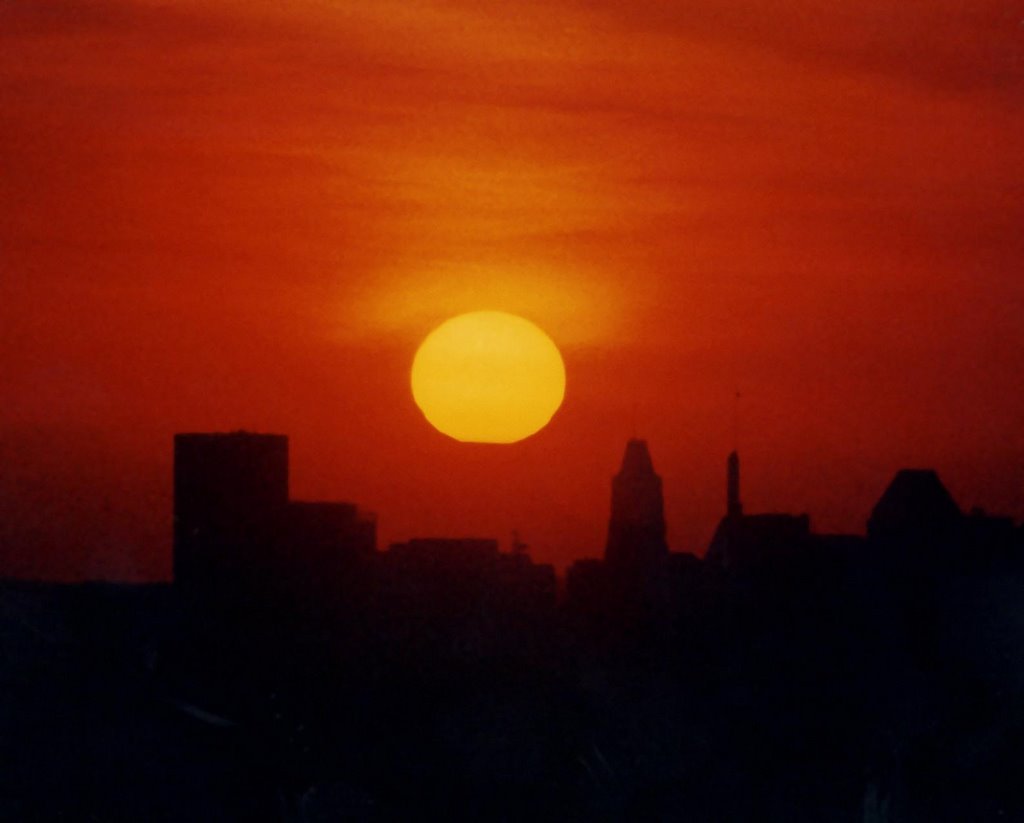
Photography by David Robert Crews
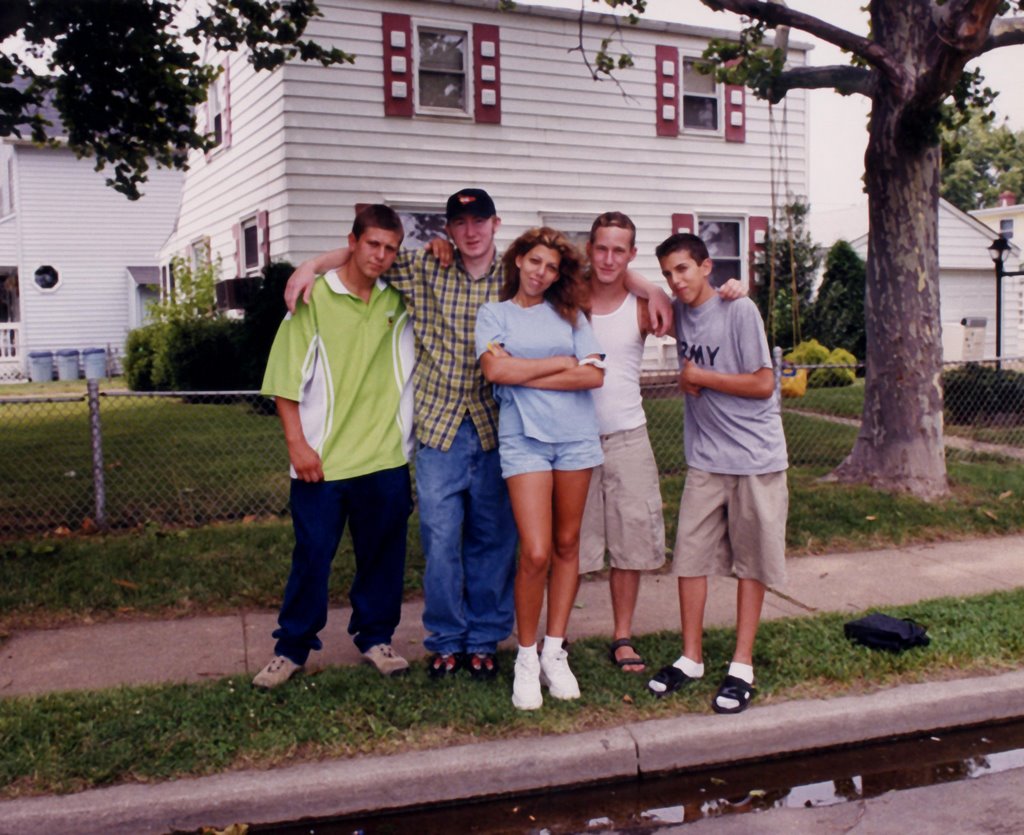
These are some of the nice homes in the "ship streets" of Old Dundalk. They are unique, historically significant, 1918 era English style slate roof homes.
I am a long time local citizen of Dundalk, and although I’m a disabled veteran living on a small Veterans Administration Non-Service Connected Disability Pension, I’m a free lance writer and photographer who has been doing all I can towards helping my community with its ongoing, muti-faceted, heavily supported, well deserved revitalization.
Dundalk is a community which was planned, in detail, by the Olmsted Brothers Landscape Architects (OBLA) firm. The Olmsted firm was responsible for designing the planned residential developments of Roland Park, Guilford, Homeland, Dundalk, Gibson Island and Northwood. They also designed fine country estates, such as the grounds for Clifton Mansion, Greenmount Cemetery, and the campus of Johns Hopkins University. They transformed private estate grounds into public parks, including Carroll, Clifton, Leakin, and Wyman Park.
Dundalk’s first major housing stock was built as homes for war industry workers during World War One, then greatly expanded during World War Two. The houses in and around Dundalk are the well maintained homes of hard working, patriotic, community oriented families who have helped build this great nation of ours. The folks who live in, or who once lived in, these homes earned incomes for themselves and their families primarily by working in the Bethlehem Steel Mill, the Sparrows Point Shipyard, the Western Electric Plant, the Chevrolet Plant, and Bendix Radio Corporation, which were all important industries during both war time and peace time too.
We still have families full of willing and able workers living in this fine housing stock here in Dundalk. Some local, adult residents are doing real well in their chosen occupations, but some are hurting for good jobs, because many of our previously productive industries have either cut down drastically on the numbers of employees in their work force, have moved to other countries, or became obsolete.
Dundalk is a once vibrant community which has a long, rich history of supporting our country, yours and mine, in just about every way possible.
Ever since our country was founded, a considerable percentage of us local citizens around here have served in the Armed Services of the United States or were/are dedicated war industry workers. Some folks around here have worked to win our wars both in civilian life and in the military. When the terrifying armed conflicts end, the members of the work force around here do their jobs at the same productive pace that helped win the sincerely welcomed peace.
We have the Veterans Park in Dundalk Village Shopping Center, where there is a memorial which lists the names of our local service personnel who died in World War Two, the Korean War, and Vietnam. Over in another section of Veterans Park, which sits on the other side of the Dundalk Post Office from the War Memorial in Veterans Park, there is a plaque honoring veterans of the Gulf War. Many of our tried and true patriotic fellow citizens of the Dundalk area join the military and whole heartily help this country to remain a free democracy.
According to the 1945-46 Dundalk Directory, "We can truthfully say our National Anthem was written here in Dundalk, Maryland." This is a great point of pride for Dundalk.
During both wars and times of peace, the community of Dundalk Maryland has always been part of the strong backbone of our freedom loving nation in just about every way possible.
ursusdave
photography
dundalk maryland
David Robert Crews
I am a long time local citizen of Dundalk, and although I’m a disabled veteran living on a small Veterans Administration Non-Service Connected Disability Pension, I’m a free lance writer and photographer who has been doing all I can towards helping my community with its ongoing, muti-faceted, heavily supported, well deserved revitalization.
Dundalk is a community which was planned, in detail, by the Olmsted Brothers Landscape Architects (OBLA) firm. The Olmsted firm was responsible for designing the planned residential developments of Roland Park, Guilford, Homeland, Dundalk, Gibson Island and Northwood. They also designed fine country estates, such as the grounds for Clifton Mansion, Greenmount Cemetery, and the campus of Johns Hopkins University. They transformed private estate grounds into public parks, including Carroll, Clifton, Leakin, and Wyman Park.
Dundalk’s first major housing stock was built as homes for war industry workers during World War One, then greatly expanded during World War Two. The houses in and around Dundalk are the well maintained homes of hard working, patriotic, community oriented families who have helped build this great nation of ours. The folks who live in, or who once lived in, these homes earned incomes for themselves and their families primarily by working in the Bethlehem Steel Mill, the Sparrows Point Shipyard, the Western Electric Plant, the Chevrolet Plant, and Bendix Radio Corporation, which were all important industries during both war time and peace time too.
We still have families full of willing and able workers living in this fine housing stock here in Dundalk. Some local, adult residents are doing real well in their chosen occupations, but some are hurting for good jobs, because many of our previously productive industries have either cut down drastically on the numbers of employees in their work force, have moved to other countries, or became obsolete.
Dundalk is a once vibrant community which has a long, rich history of supporting our country, yours and mine, in just about every way possible.
Ever since our country was founded, a considerable percentage of us local citizens around here have served in the Armed Services of the United States or were/are dedicated war industry workers. Some folks around here have worked to win our wars both in civilian life and in the military. When the terrifying armed conflicts end, the members of the work force around here do their jobs at the same productive pace that helped win the sincerely welcomed peace.
We have the Veterans Park in Dundalk Village Shopping Center, where there is a memorial which lists the names of our local service personnel who died in World War Two, the Korean War, and Vietnam. Over in another section of Veterans Park, which sits on the other side of the Dundalk Post Office from the War Memorial in Veterans Park, there is a plaque honoring veterans of the Gulf War. Many of our tried and true patriotic fellow citizens of the Dundalk area join the military and whole heartily help this country to remain a free democracy.
According to the 1945-46 Dundalk Directory, "We can truthfully say our National Anthem was written here in Dundalk, Maryland." This is a great point of pride for Dundalk.
During both wars and times of peace, the community of Dundalk Maryland has always been part of the strong backbone of our freedom loving nation in just about every way possible.
ursusdave
photography
dundalk maryland
David Robert Crews